Many professionals quietly struggle with expressing ideas clearly. They understand their work well, yet meetings, interviews, or presentations create hesitation.
With the right guidance, this challenge changes quickly. When communication becomes structured and practiced, confidence grows naturally and conversations start flowing with clarity.
Understanding Communication Skills Training in India
What Communication Skills Really Mean in Professional Life
Communication in the workplace goes far beyond speaking English fluently. It includes clarity of thought, active listening, confident expression, and respectful conversation.
A professional with strong communication can explain ideas simply. Colleagues understand them faster, managers trust them more, and teams collaborate smoothly.
Communication Skills Training in India focuses on building these practical abilities step by step. As a result, professionals begin expressing ideas with calm confidence.
Why Many Professionals Struggle With Communication
Many people were never taught structured communication during school or college. Academic learning focuses on exams rather than real conversation.
Because of this gap, even capable professionals hesitate during meetings or presentations. They often know the answer but struggle to present it clearly.
Fortunately, communication skills improve through guided practice. Once individuals learn simple frameworks, conversations become much easier.
Why Communication Skills Training Matters for Career Growth
The Hidden Impact of Communication on Promotions
Career growth rarely depends only on technical knowledge. Leadership roles demand the ability to communicate ideas, guide teams, and influence decisions.
Managers naturally notice professionals who explain concepts clearly. These individuals often receive more responsibilities and leadership opportunities.
Communication Skills Training in India helps professionals prepare for these moments. As clarity improves, their professional presence becomes stronger.
How Strong Communication Builds Leadership Presence
Leadership presence begins with confident communication. When leaders speak with clarity, teams listen with trust.
Effective communication also reduces confusion during projects. Teams understand goals faster and collaboration becomes smoother.
Over time, strong communicators naturally become decision influencers. Their words carry weight because people trust their clarity.
Key Skills Taught in Communication Skills Training in India
Verbal Communication Clarity
Clear speaking begins with clear thinking. Training sessions help learners structure their ideas before speaking.
This approach removes unnecessary words and confusion. As a result, conversations become concise and impactful.
Professional Listening Skills
Listening forms the foundation of communication. However, many people focus only on speaking.
Training helps learners understand active listening techniques. When professionals listen carefully, they respond more thoughtfully.
Presentation and Public Speaking Confidence
Presentations often create anxiety for many professionals. Even experienced employees sometimes avoid public speaking.
Structured practice helps overcome this fear gradually. Learners gain confidence as they practice explaining ideas to groups.
Workplace Conversation and Conflict Management
Workplaces naturally involve disagreements and complex discussions. Communication training teaches respectful ways to navigate such situations.
Professionals learn how to express concerns calmly while maintaining positive relationships.
Common Career Situations Where Communication Skills Change Outcomes
Client Meetings
Clients value professionals who communicate clearly and confidently. When ideas feel structured, clients develop stronger trust.
Communication training prepares professionals to present solutions with clarity and assurance.
Job Interviews
Interviews evaluate both knowledge and communication ability. Even strong candidates lose opportunities if they cannot explain ideas well.
Training helps candidates present experiences with confidence and clarity.
Leadership Conversations
Leaders must communicate expectations clearly. Without clarity, teams feel confused or uncertain.
Communication training helps future leaders express direction and feedback effectively.
Team Collaboration
Projects succeed when team members communicate openly. Clear conversations prevent misunderstandings and delays.
Therefore strong communication becomes essential for collaborative environments.
The Mentor Behind the Learning Approach
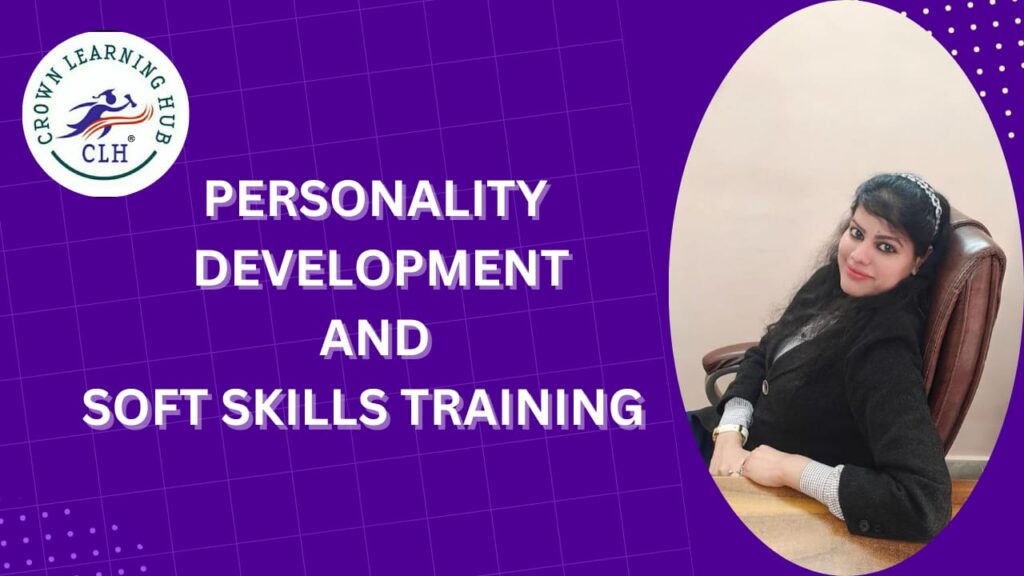
Learning Communication Under the Guidance of Aarti Dhingra

Aarti Dhingra brings a thoughtful and practical approach to communication training. Her teaching focuses on building confidence through real practice rather than memorized techniques.
She believes communication grows through awareness and structured conversations. Students often describe her sessions as calm yet transformative.
Many learners begin their journey feeling hesitant. However, through guided exercises and feedback, they gradually discover their authentic speaking voice.
Her mentor driven approach ensures that every learner receives patient guidance and meaningful improvement.
What Makes Communication Skills Training Truly Effective
Practical Learning Instead of Theory
Communication improves through practice rather than lectures. Effective training sessions therefore focus on real speaking situations.
Participants actively practice conversations, presentations, and discussions.
Real Workplace Simulations
Training environments recreate common professional scenarios. These include meetings, interviews, and team discussions.
Because learners practice realistic situations, they gain confidence for real workplace conversations.
Confidence Building Through Practice
Confidence grows gradually through repeated success. Each practice session builds comfort with speaking and listening.
Eventually learners notice a major shift in their communication style.
Student Journey
From Quiet Team Member to Confident Meeting Presenter
Rahul joined a communication training program after receiving feedback during his annual review. His manager appreciated his technical knowledge but noticed hesitation during meetings.
During the training sessions, Rahul practiced explaining project ideas clearly. At first he felt nervous while speaking in front of others.
However, guided practice helped him organize his thoughts better. Within weeks he began contributing confidently during team discussions.
Three months later Rahul presented a project update to senior leaders. His calm and structured explanation impressed the entire team.
Case Study
How Structured Communication Practice Helped a Manager Lead His Team With Clarity
Priya worked as a project manager in a growing technology company. She often struggled to guide team discussions effectively.
Meetings frequently became confusing because instructions lacked clarity.
Communication training introduced her to structured speaking frameworks. She learned how to present goals clearly and summarize discussions effectively.
Gradually her meetings became more productive. Team members understood expectations quickly and collaboration improved significantly.
Real Learner Reviews
Rohit Sharma, Delhi
I joined the program hoping to improve presentation skills. The structured practice helped me organize thoughts clearly during meetings. My confidence improved significantly.
Neha Verma, Gurgaon
The training felt practical and supportive. Every session involved real conversation exercises. I now speak with more clarity during team discussions.
Sandeep Mehta, Noida
Communication used to feel stressful during client meetings. After training, I learned how to explain ideas calmly and confidently.
Forum Discussions From Learners
Arjun Patel, Ahmedabad
I work in a technical role and struggle during presentations. Does communication training really help someone who feels nervous while speaking?
Response
Yes. Structured practice and supportive feedback gradually reduce speaking anxiety. Over time, individuals develop natural confidence during presentations.
Simran Kaur, Chandigarh
Can communication training help with leadership roles?
Response
Absolutely. Leadership depends heavily on clear communication. Training helps professionals guide discussions, share ideas clearly, and manage team conversations effectively.
Visit Crown Learning Hub
Your Trusted Growth Partner
3rd Floor, B-4/133, Pocket 4, Sector 7
Rohini, Delhi, India – 110085
(Near Rohini West Metro Station)
Frequently Asked Questions
What does communication skills training in India usually include?
Most programs include speaking practice, listening exercises, presentation skills, and workplace conversation training designed to improve confidence in meetings and professional discussions.
How long does communication training usually take to show improvement?
Many learners notice confidence improvements within a few weeks. However, consistent practice over several sessions creates lasting communication habits.
Can communication training help introverted professionals?
Yes. Training focuses on structured speaking methods. Introverted individuals often benefit greatly because they learn clear frameworks for expressing ideas comfortably.
Is communication training useful for experienced professionals?
Even experienced professionals benefit from structured communication training. Leadership roles require clarity, persuasion, and confident discussion abilities.
Does communication training help during job interviews?
Yes. Training improves how candidates present achievements and explain experiences clearly, which significantly improves interview confidence and clarity.
Conclusion: Communication Is the Skill That Opens Every Door
Communication Skills Training in India offers far more than speaking practice. It builds confidence, clarity, and professional presence.
When professionals communicate effectively, opportunities naturally expand. Conversations become smoother, ideas gain attention, and leadership potential becomes visible.
For anyone seeking career growth, communication remains one of the most valuable skills to develop. With guided practice and mentorship, every professional can strengthen this ability.